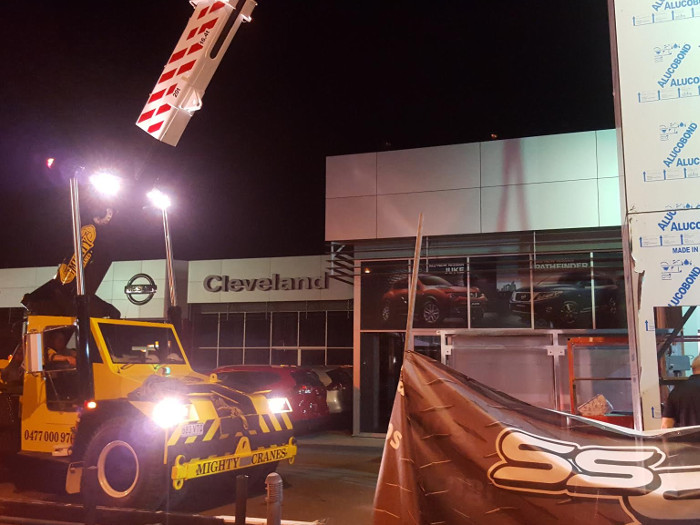
Safe crane hire starts before the crane arrives on site, at Mighty Cranes, we do not just send out a crane and hope for the best. We take the time to understand the lift, the load, the access, the ground conditions and the site risks so the right crane, crew and lifting approach can be organised from the start.
Mobile crane work needs proper planning, along with our decades of experience Mighty Cranes works in line with WorkSafe Queensland guidance and the Mobile Crane Code of Practice 2024, which sets out practical guidance for managing risks around mobile crane operations, crane stability, lift planning, powerlines, dogging, rigging and safe communication.
Whether you need a Franna for pick-and-carry work, a city crane for tight access, a rough terrain crane or an all-terrain crane for a heavier lift, we can help plan the job properly before anything turns up on site.
Call Mighty Cranes on 0477 000 976 for a free quote and lift plan.
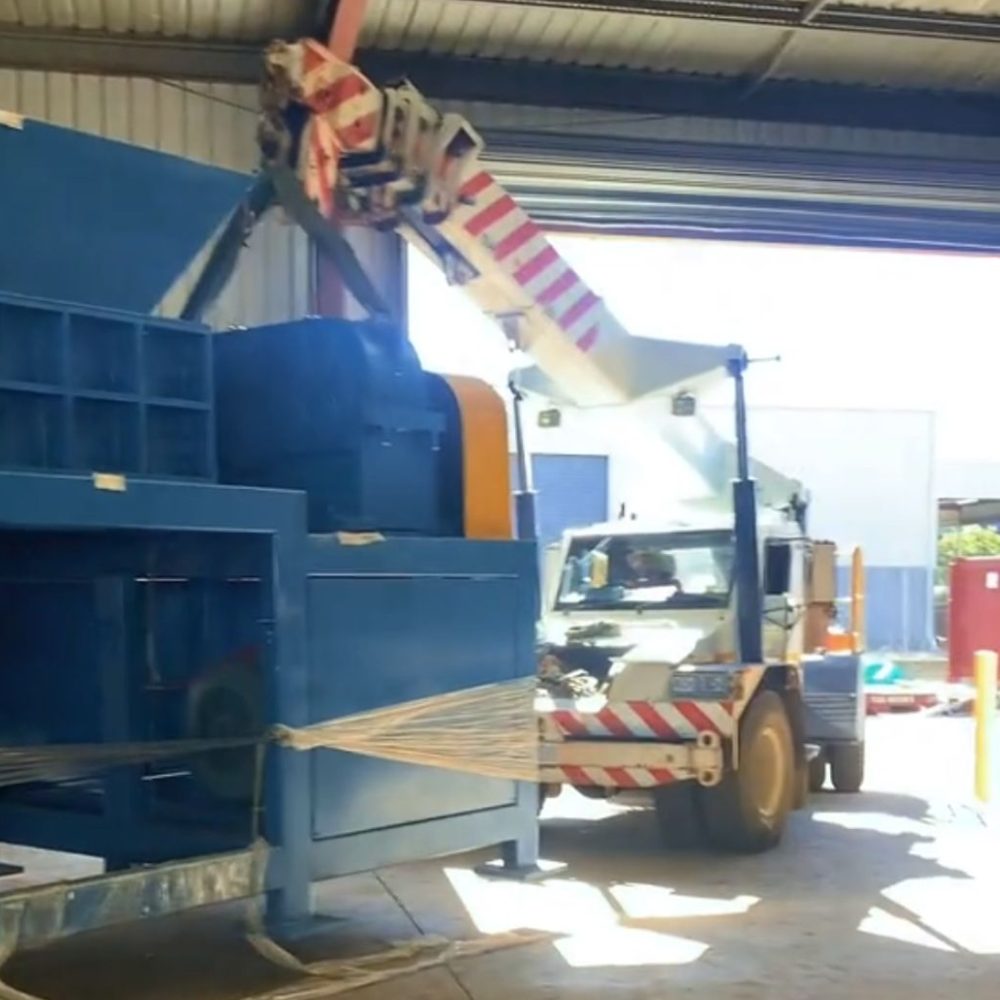
Safe Lifting Starts With The Right Crane
Every lift is different, the right crane depends on more than just the weight of the load. The Mobile Crane Code of Practice says crane selection should consider the weight and dimensions of the load, lift radius, maximum lift height, ground conditions, access roads, ramps, obstacles and the type of lifting being done.
That is why Mighty Cranes takes the time to understand the job before recommending a crane. It helps avoid wasted time, the wrong crane arriving on site, or the lift needing to be delayed because key details were missed.
What We Look At Before A Lift
A safe lift comes down to preparation.
Before a crane is sent to site, we may look at:
Load weight and dimensions
We need to understand what is being lifted, how heavy it is, how large it is and whether the weight is confirmed or estimated.
Pick-up and landing points
Where the load starts and where it needs to go affects the lift radius, crane position and crane capacity.
Site access
Tight driveways, narrow streets, low trees, soft ground, overhead obstructions and traffic can all affect the type of crane required.
Ground conditions
The crane needs suitable support. Soft ground, slopes, trenches, backfilled areas, underground services and recent rain can all affect how the crane is set up.
Powerlines and nearby structures
Powerlines, buildings, scaffolding, traffic, pedestrians and other plant all need to be considered before the lift starts.
Dogging and rigging requirements
The load needs to be slung, balanced, controlled and landed properly. Some jobs need a dogger, some need rigging support, and more complex lifts may need additional planning.
Weather and wind
Wind can affect the crane, boom and suspended load, especially with large surface area loads.
Communication on site
The crane operator and dogger need clear communication, especially when the operator cannot clearly see the load, landing area or travel path.
Lift Planning For Safer, More Organised Crane Hire
Mighty Cranes offers free quotes and lift planning for crane hire across Brisbane.
For straightforward lifts, the plan may be simple. We talk through the job, confirm the load, check the access, work out the crane needed and organise the right crew.
For more complex lifts, the planning may need to be more detailed. The Mobile Crane Code of Practice says documented lifting procedures are important for mobile crane operations, and more complex lifts may need site-specific and comprehensive procedures. This can include lifts near live powerlines, multiple crane lifts, tilt-up or precast work, workboxes, demolition, large tanks, complex rigging or heavy lifts.
Our goal is to make the job run safely, smoothly and efficiently once the crane arrives on site.
Ground Conditions And Crane Stability
Crane stability is one of the biggest parts of safe lifting.
The Code identifies stability as one of the most important safety issues with mobile cranes, with key factors including the suspended load, wind, ground conditions, outrigger support, slope and pick-and-carry operation.
A crane may need to set up on outriggers, pads, timbers or bog mats depending on the site and the lift. For heavier lifts or difficult ground conditions, more information may be needed before the lift can go ahead.
Mighty Cranes can help identify these issues early so the lift is not held up on the day.
Working Around Powerlines And Site Hazards
Powerlines are one of the major risks when operating a mobile crane.
Before setting up or operating a crane near overhead powerlines, the Code says the presence of overhead powerlines should be identified, risks should be assessed, and appropriate control measures put in place. It also notes that consultation may be required between the relevant parties involved in the work.
Mighty Cranes can help talk through site hazards before the lift, including nearby powerlines, underground services, roads, buildings, scaffolding, other plant and public access areas.
Where required, the site controller, principal contractor or relevant parties may need to arrange additional controls before the crane arrives.
Dogging And Rigging Support
A safe lift is not just about the crane. The load needs to be secured, balanced, controlled and landed properly. Doggers assist the crane operator by slinging the load, checking lifting gear and directing the crane operator when required.
The Code states that a dogger assists with safe crane operation, including slinging techniques, selecting and inspecting lifting gear, and directing the crane operator when the load is out of view. It also says the dogger should be in control of the load from the time it is slung until it is securely placed.
Mighty Cranes can provide doggers and riggers with our crane hire where required, giving you one point of contact for the crane, crew, lifting gear and site requirements.
Clear Communication During The Lift
Good communication is essential during crane work. If the operator cannot see the load, the landing area, the travel path or the dogger, the lift needs a reliable communication method. The Code highlights the importance of reliable signalling between crane operators and doggers and notes that poor communication can contribute to dropped loads or collisions.
On site, our team works to keep the lift controlled, clear and organised from start to finish.
Crane Operators Who Understand The Job
The crane operator has a critical role in safe lifting. The Code says crane operators should understand the crane model, load chart, operating manual, workplace conditions, powerlines, nearby structures, hand signals, radio signals and basic slinging techniques. It also says operators should inspect the area, including ground conditions, and have a clear understanding of the agreed lift procedure before and during the lift.
At Mighty Cranes, our operators bring practical experience across residential, commercial, construction and industrial lifts throughout Brisbane.
What We Need From You
The more information we have, the easier it is to recommend the right crane and plan the lift properly.
When you contact Mighty Cranes, it helps to know:
- what you are lifting
- the approximate weight and dimensions
- where the load is being picked up from
- where the load needs to be landed
- site address and access details
- any nearby powerlines, trees, buildings or traffic areas
- ground conditions or any recent excavation
- whether the lift is on a construction site
- whether dogging, rigging or additional crew may be required
- photos of the site and load, if available
Not sure about some of these details? That is fine. Give us a call and we can talk through it with you.
Free Quotes And Lift Plans
Mighty Cranes offers free quotes and practical lift planning for crane hire across Brisbane. Where needed, we can meet you on site to get a better understanding of the job, access, load, lift radius and site conditions before the crane arrives.
This preparation helps save time and money by making sure the right crane, crew and lifting approach are organised from the start.
For affordable crane hire Brisbane wide, choose Mighty Cranes.
Call 0477 000 976 to book a free quote and lift plan, or fill out our contact form.
Safe Lifting FAQs
What is a lift plan?
A lift plan outlines how the lift will be carried out. Depending on the job, this may include the crane type, load details, crane position, lift radius, landing area, site hazards, ground conditions, rigging requirements and communication method.
Do all crane lifts need a detailed lift plan?
Not every lift needs the same level of documentation. A straightforward lift may only need a simple plan, while complex or higher-risk lifts may require a more detailed lifting procedure or SWMS.
Do I need a SWMS for crane hire?
A SWMS may be required where the crane work involves high-risk construction work. This can include work near energised electrical services, tilt-up or precast concrete, work near roads or traffic corridors, powered mobile plant movement, demolition or other high-risk site conditions.
Do I need a dogger or rigger?
Many crane lifts need a dogger to help sling the load, inspect lifting gear and direct the crane operator. Rigging may be needed where the load movement or lifting method is more complex. Mighty Cranes can help advise what crew may be needed for your lift.
Can Mighty Cranes visit the site before the lift?
Yes. Where needed, we can meet you on site to look at access, ground conditions, powerlines, the load, pick-up point and landing area so the job can be planned properly.
What areas do you service?
Mighty Cranes provides crane hire and safe lifting support across Brisbane, Redlands, Logan, Ipswich, the Gold Coast and surrounding South East Queensland areas.
24/7 service
Emergency Callouts
Fully Insured
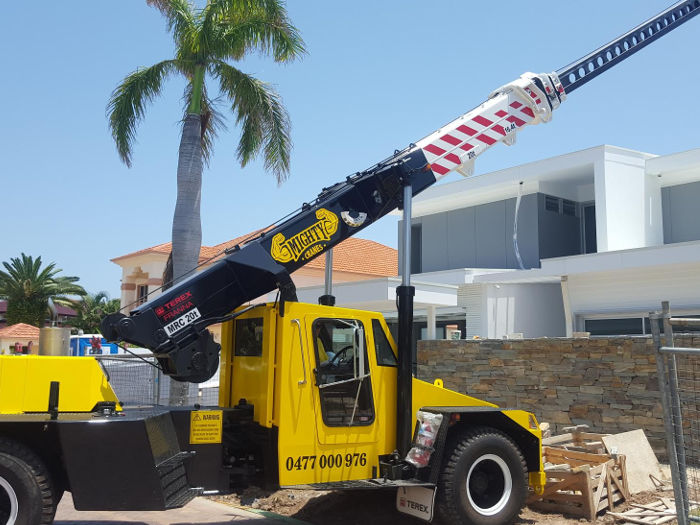
Franna Crane Hire
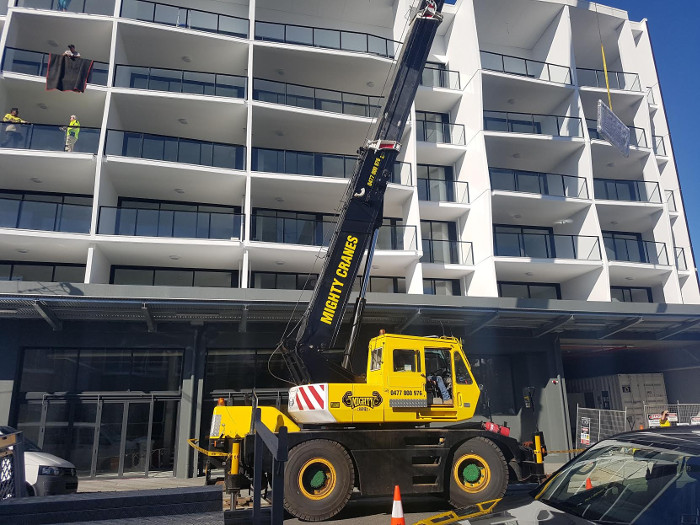
Rough Terrain Crane hire
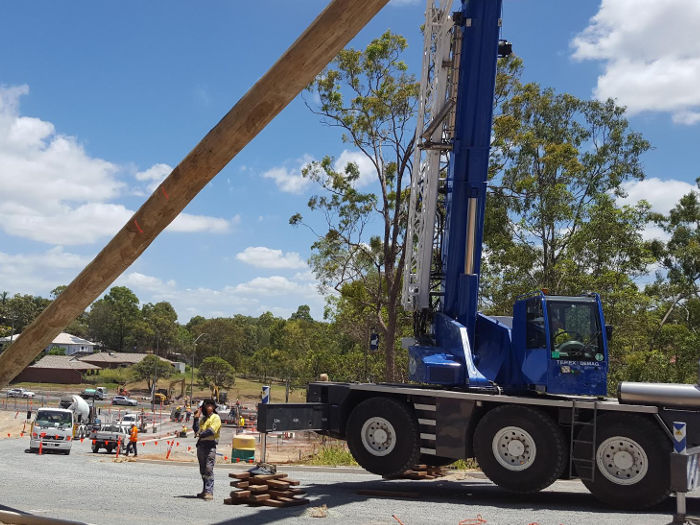
All Terrain Crane Hire